What cut-off grade does to a volumetric production read
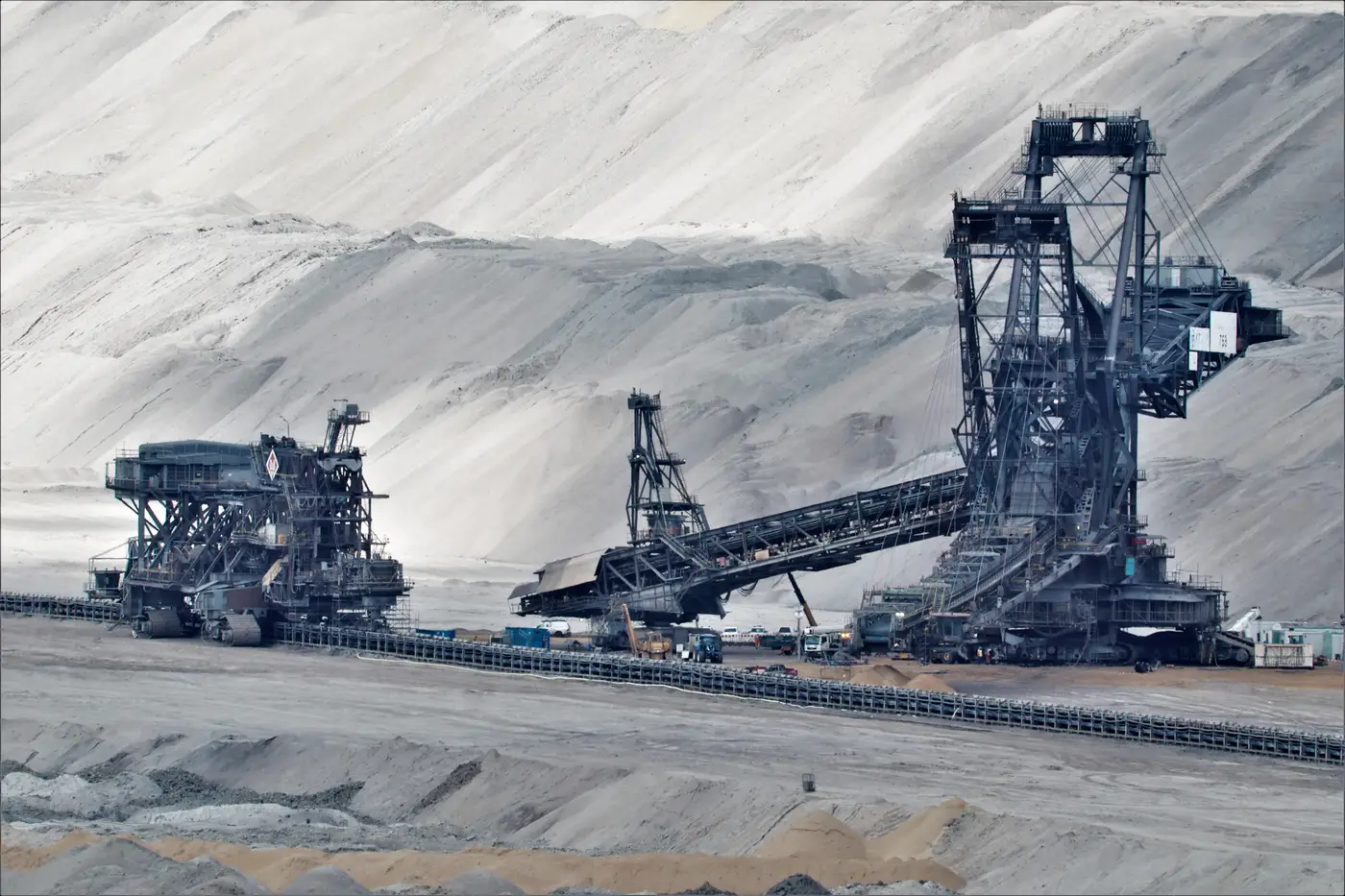
Volume moved is not metal recovered
A bench face drops ten metres. A stockpile grows by forty thousand tonnes over a month. Both of those are things you can measure from above, and both of them tell you the operation is working. Neither one tells you how much payable metal is sitting in that material.
That gap is cut-off grade. It's the minimum ore grade an operation needs to justify sending material to the mill instead of the waste dump, and it's set by metal price, mining cost, processing cost and recovery, not by how much rock got moved. Two trucks can carry the same tonnage off the same bench and end up in completely different places: one to the crusher, one to the waste pile, because the grade on one side of the truck's load was above cut-off and the other wasn't. A volumetric read sees the trucks. It doesn't see the assay.
Run-of-mine tonnes vs payable metal
Run-of-mine (ROM) tonnage is everything that comes out of the pit regardless of grade. Payable output is what the mill actually recovers and the smelter or refiner pays for, after mill recovery and any penalty or deduction terms in the offtake contract. A mine can increase ROM tonnes quarter over quarter while payable output falls, if the ore that's being mined has moved into a lower-grade part of the deposit. It happens more than analysts watching headline tonnage would guess, especially late in a pit's life when the easy high-grade benches are gone and the operation is chewing through lower-grade material just to keep the mill fed.
This is where production estimates built off satellite imagery or stockpile counts run into their limit. They're good at telling you an operation sped up or slowed down. They can't tell you whether the material moving is the good stuff or the marginal stuff, because grade doesn't show up in a volumetric or stereo-derived surface. It shows up in an assay lab.
Why grade swings change the estimate
Think about a copper pit mining at an average of 0.6% against a 0.4% cut-off. If the mine sequence shifts into a zone running 0.45%, ROM tonnage can stay flat (same bench heights, same truck counts, same stockpile growth) while payable copper drops by a third. From the air, nothing looks different. The pit face moved the same amount it moved last month. A pure volumetric estimate would read that month as steady, maybe even strong, right up until the quarterly disclosure shows a grade-driven miss.
The reverse happens too. An operation can mine less rock in absolute terms and still produce more payable metal, if the sequence has moved into a richer zone. Volume alone would read that as a slowdown.
None of this means volumetric tracking is useless. Mine sequencing is usually planned months or years in advance, and an analyst who knows the deposit, the reserve model and where the current bench sits in the mine plan can read a volume change against that plan and get a reasonable sense of direction. What a volumetric read gives you cleanly is the rate of material movement: whether a pit is scaling a phase up, slowing a phase down, or sitting on stockpile that hasn't moved to the mill yet. That's a genuinely useful early signal ahead of a quarterly report, and it's the thing a monthly volumetric series by named operation is built to deliver. It's just not, on its own, a grade estimate.
If you're layering a volumetric read on top of your own grade assumptions for a specific pit, that combination is usually more honest than either number alone, and it's worth being explicit with yourself about which part of the estimate is measured and which part is assumed.
Analysts who track volume movement against a known mine plan can use Mine Production Nowcast's monthly CSV series to put a number on the pace of change ahead of disclosure.