Tonnes milled vs tonnes mined: what the gap tells you
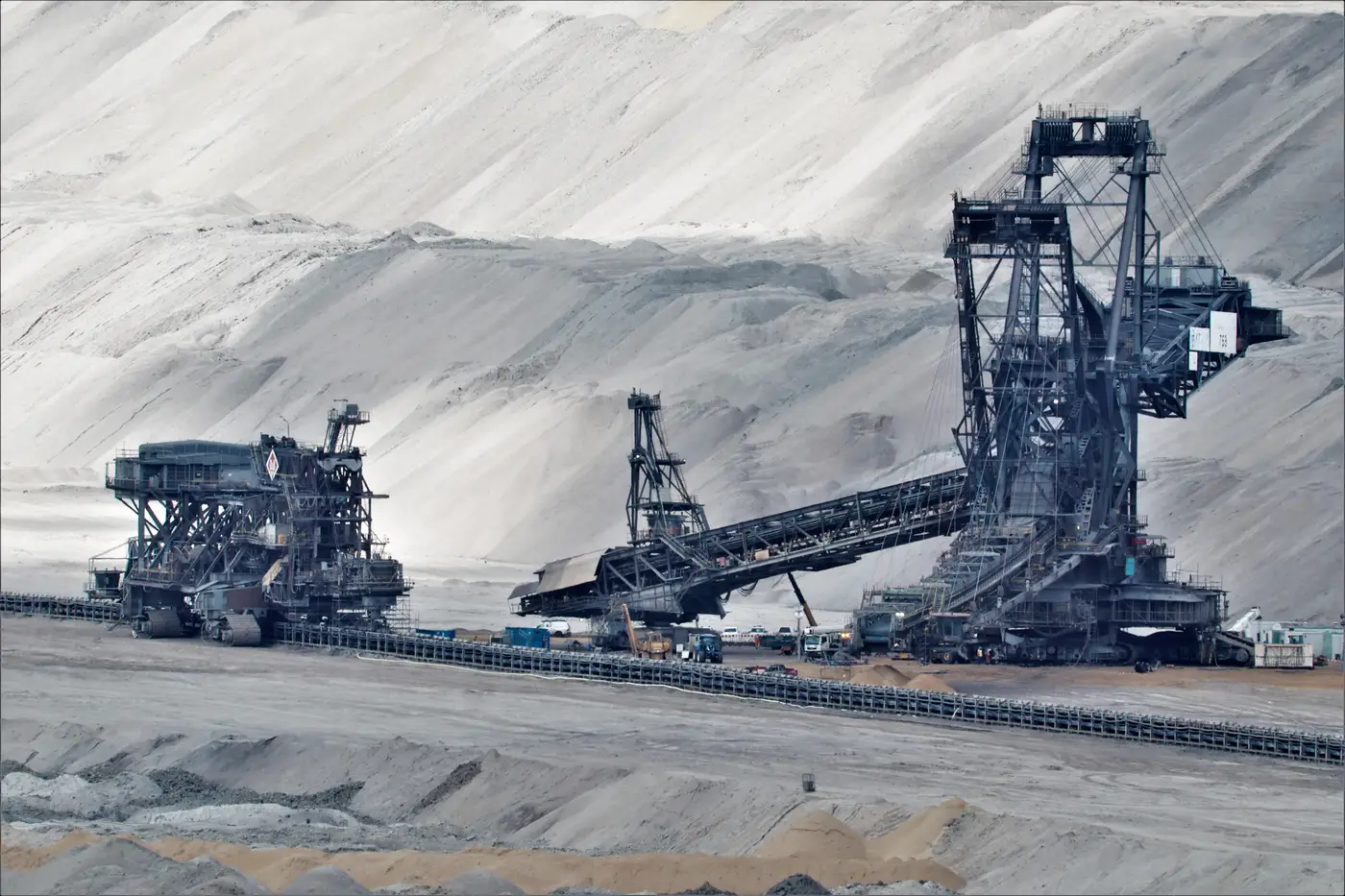
Every quarterly report lists a milled tonnage figure, usually broken out by ore type and grade. Fewer reports give you mined tonnage with the same clarity, and almost none reconcile the two in the same table. That's the gap worth sitting with, because it rarely means what the headline number implies.
Tonnes mined is material moved from the pit: ore plus waste, pulled from bench faces and hauled to either the crusher or the stockpile. Tonnes milled is what actually went through the plant that period. A mine can post record milled tonnes while extraction slows, simply by drawing down a stockpile built up the quarter before. It can also post flat milled tonnes while mining activity ramps hard, because the plant is already running at nameplate and the extra ore has nowhere to go but onto the pad.
Mill feed vs mine output: two different clocks
The plant runs on a near-constant clock. Processing capacity is fixed by the crusher, the mill liners, the reagent circuit, whatever the bottleneck happens to be that quarter, and it doesn't flex much month to month. Mine output runs on a different clock entirely: weather, equipment availability, blast sequencing, a haul road washed out for two weeks. Those two clocks rarely line up, and the stockpile sits between them as a shock absorber.
That's why a single quarter of milled tonnes tells you almost nothing about whether the operation is scaling up or winding down. An operation drawing down a stockpile looks identical in the plant throughput line to one mining at a genuinely higher rate. You need the mined-tonnes side, or a proxy for it, to tell the two apart. Pit volumetrics from bench faces and stockpile footprints give you exactly that proxy, independent of what the plant processed that quarter.
Reading the gap as a signal, not noise
A widening gap between mined and milled tonnes (more coming out of the ground than going through the plant) usually means the stockpile is building. That can be a planned buffer ahead of a maintenance shutdown, or it can be the plant running under capacity while mining keeps pace with the schedule. Either way, it's worth flagging ahead of disclosure, because a stockpile build eventually has to unwind, and when it does, milled tonnes will spike without any change in mining rate at all.
A narrowing gap, mined tonnes falling toward milled tonnes, usually means the buffer is thinning out. If it goes negative (milled tonnes exceeding mined tonnes for more than a quarter or two) the operation is eating into its stockpile and extraction isn't keeping up with processing capacity. That's the pattern an analyst wants to catch early, because it shows up in the pit months before it shows up in a production report, and it's a different story from a grade miss or a plant outage even though the headline tonnage drop can look the same on a spreadsheet.
None of this requires waiting on the company's own numbers. Bench movement and stockpile footprint are visible from above every month, and tracking them against the plant's known or estimated processing capacity gives you a read on the extraction rate independent of what gets disclosed. Mine Production Nowcast turns that monthly pit volumetric into an output estimate per operation, delivered as a CSV series ahead of the quarterly report, so the mined side of the gap stops being a guess.
If the stockpile story at one of your names is getting harder to explain from the plant numbers alone, it might be time to look at what the pit itself is telling you.