NI 43-101 vs JORC: why production disclosure timing differs
If you cover mining equities out of Toronto or Perth, you've run into this: a company you track misses guidance, and you want to know when, not just that. NI 43-101 and the JORC Code get lumped together as "the mining disclosure rules," but they don't govern when production numbers hit the market. They govern how resource and reserve estimates get reported and by whom. The quarterly timing difference you're feeling comes from somewhere else, and it's worth knowing where.
What NI 43-101 and JORC cover
NI 43-101 is a Canadian securities instrument. It sets the standard for technical disclosure on mineral projects: who can sign off on a resource estimate, what a qualified person has to verify, what goes into a technical report. It doesn't set a cadence for production updates. A TSX-listed producer's quarterly production figures come out on whatever schedule its continuous disclosure obligations under NI 51-102 require, typically interim financial statements within 45 days of quarter end for most issuers, 60 days for venture-tier companies. Production tonnes and grade usually show up in the MD&A that accompanies those financials, sometimes a few days earlier in a standalone operations update if the company chooses to issue one.
JORC is the Australasian code for reporting exploration results, mineral resources, and ore reserves, maintained jointly by the AusIMM and AIG. Same story: it's a technical and classification standard, not a disclosure-timing rule. What drives the faster cadence Australian analysts are used to is ASX Listing Rule 4.7B, which requires exploration and mining entities to lodge a quarterly activities report, the Appendix 5B, within one month of quarter end. That report routinely includes production volumes, unit costs, and cash position, because the ASX requires that level of operational detail from resource companies as a matter of course.
The real contrast lives in exchange rules. ASX quarterly reporting culture moves faster than TSX quarterly reporting culture, filing requirement for filing requirement. One exchange rule bundles production data into a mandatory monthly-after-quarter-end filing. The other leaves the timing and the level of operational detail more to the issuer, folded into standard financial reporting deadlines that can run two to six weeks longer.
Why this matters when you're modeling output
If you're underwriting a position or updating a model ahead of disclosure, that gap between regimes is the gap you're exposed to. An ASX-listed producer gives you a production number within roughly a month of quarter close. A TSX-listed one might not confirm tonnes milled until closer to six weeks out, sometimes longer if the company bundles operational commentary with annual filings rather than a dedicated quarterly release. Add in companies dual-listed or cross-filing under both regimes, and the disclosure calendar gets genuinely uneven across a coverage list.
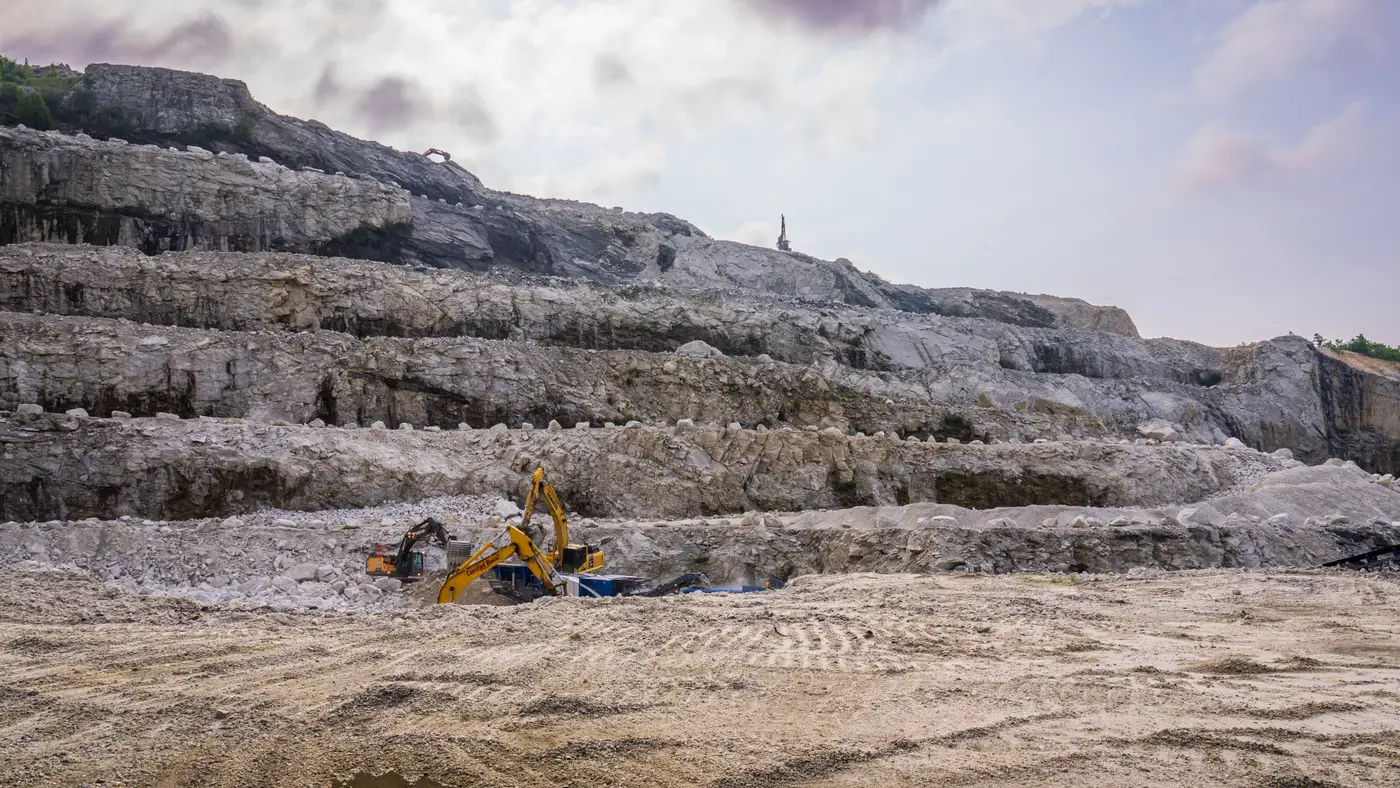
None of this tells you whether the mine is actually running above or below plan in the meantime. A bench face doesn't wait for a filing deadline. Material gets pulled, stockpiled, hauled, and processed on its own schedule regardless of which code governs the resource statement sitting in a data room somewhere.
That's the gap a monthly production estimate built from pit volumetrics is meant to close: a read on tonnes moved per operation, taken from stereo satellite passes of bench faces and stockpiles, regardless of which filing clock an analyst is waiting on, an Appendix 5B or a 45-day MD&A. Mine Production Nowcast turns that visible movement into a per-mine CSV series on a monthly cadence, so you're not guessing in the weeks between one jurisdiction's filing clock and another's.
If your coverage list spans both regimes, closing that reporting-lag gap with a monthly estimate might be worth a look.