Field notes: two copper mines, same quarter, opposite signals
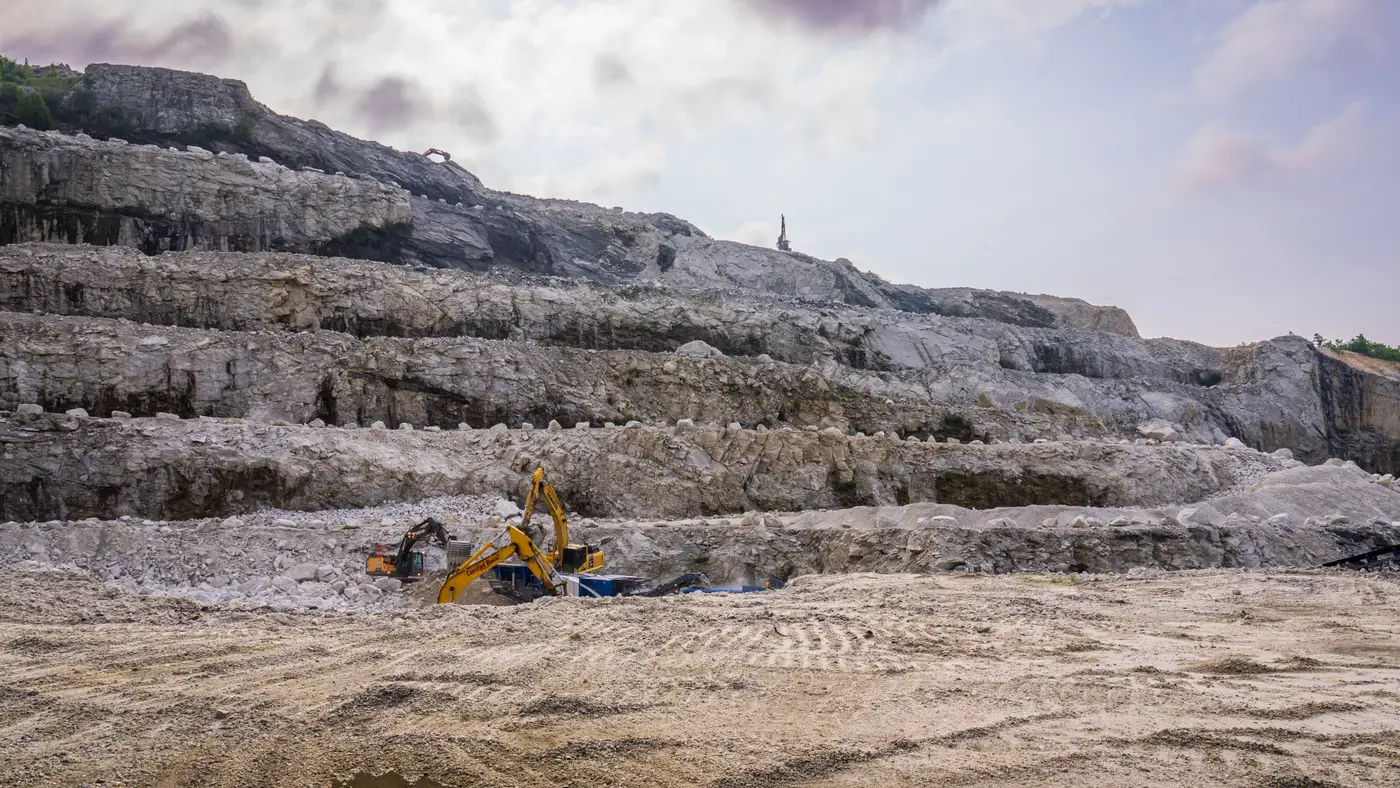
Two copper operations, same jurisdiction, same reporting quarter, same macro backdrop of a price that's been grinding sideways for months. On paper, before anyone opens a quarterly report, you'd guess they're tracking the same way. They aren't.
I pulled bench imagery on both this cycle out of habit more than suspicion. One operation has three new cuts opened along the eastern wall since the prior pass, haul roads showing the kind of compaction and dust pattern you get from sustained truck cycles, and a stockpile that's grown enough to read clearly at sub-half-metre resolution. The other has a pit that looks almost identical to last month. Same bench lines, same stockpile footprint, waste dump barely changed. No new cuts. A crusher pad that, if anything, looks a little less active than the month before.
Nothing in either company's public messaging would tip you off. Both guided to "stable production" at their last investor update. Both are mid-cap porphyry operations with grades that have been declining for a few years, the kind of slow fade that makes every quarter look roughly like the last one in a press release. One of them is visibly moving more rock, and the other is visibly moving less, and the bench faces show it weeks before either company has to explain anything.
This is the part of the job that doesn't show up in a model. You can build a discounted cash flow off reserve statements and NI 43-101 technical reports all day, but those documents tell you what's in the ground, not what's actually being pulled out of it this month. The gap between what the resource supports and what's happening on site is where a lot of the interesting calls live, and it's also where waiting for the 10-Q costs you three months you didn't need to lose.
The operation that's quiet is the more interesting one, honestly. A flat pit for one month is nothing. Equipment goes down, a blast gets delayed, a haul road gets rerouted. But stacked against three or four months of the same pattern, a pit that isn't advancing starts to look less like noise and more like a company managing cash, or managing a reserve problem, ahead of telling anyone. Stockpile builds without corresponding mill throughput tell a similar story in reverse: material is coming out of the ground faster than it's being processed, which usually means either a mill bottleneck or a deliberate stockpiling strategy ahead of a price move. Either way, it's a divergence from guidance that shows up in the dirt before it shows up in a filing.
None of this replaces the actual disclosure. Grades, recoveries, realized pricing, all of that still comes from the company, and it should. What the imagery gives you is the volume side of the equation, weeks or months before the company's own numbers land, which is enough to know whether an operation is scaling toward guidance, sitting on it, or quietly falling behind. Watching the bench faces move beats waiting for someone to tell you they did.
If you're tracking a handful of operations this way already, you know the pattern: one quarter it's obvious, the next it's a coin flip and you want the volumetric series in front of you instead of a memory of what the pit looked like last time you checked. That's the gap Mine Production Nowcast is built to close, a monthly per-operation estimate built off the actual pit movement, delivered as a CSV before the company's own numbers do the explaining for you.
Next earnings season, before the call, it's worth pulling the bench history on the two or three names you're least sure about.